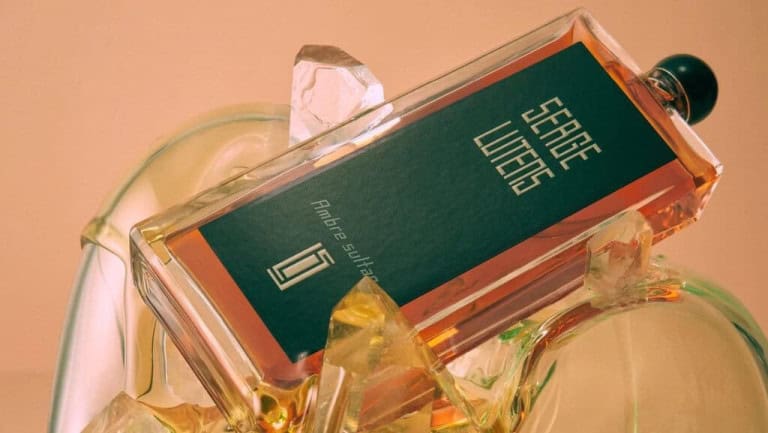
Patchouli smells earthy, woody and slightly sweet, with a damp, almost-camphorous edge that people compare to wet soil, dark chocolate, old books or a cool basement. At full strength it is intense and a little medicinal; in modern perfumery it is usually softened into something warm, smoky or clean. But on skin it behaves very differently depending on the composition, and that is where the real story is.
What is patchouli, and where does the smell come from?
Patchouli is a leafy, bushy herb in the mint family, native to Southeast Asia and now grown across Indonesia, India, the Philippines, Malaysia and Madagascar. Unlike most aromatic plants, the scent is not in the flowers or fruit. It is locked in the leaves, which are dried, lightly fermented and then steam-distilled into a dark, syrupy essential oil. That fermentation step is why patchouli reads as so deep and “aged” compared with brighter herbs like bergamot.
Where does the patchouli smell actually come from?
Here is the counterintuitive part: fresh patchouli leaves have almost no smell. The familiar aroma is created by fermenting the dried leaves before steam distillation, a curing step that develops the deep, earthy character from scratch. The signature molecule responsible, patchoulol, makes up roughly 40 to 50 percent of the finished oil, which is why a single material can dominate a whole composition.

Raw patchouli oil on its own is dense, dark and earthy, with that musty-sweet, slightly minty character. A little goes a very long way — it is one of the most tenacious materials in perfumery, easily lasting 10+ hours on skin and far longer on fabric, which is why perfumers also use it as a fixative to anchor lighter, more volatile notes like jasmine, rose and citrus so they don’t fade as fast.
Why patchouli smells different in every fragrance
The single biggest reason searchers can’t pin patchouli down is that perfumers use two very different versions of it. Understanding the split makes every patchouli fragrance easier to predict.
Dark/aged patchouli vs. modern “cleaned-up” patchouli
Dark or aged patchouli is the traditional, full-bodied oil: earthy, damp, faintly boozy and head-shop-adjacent. You smell it in classics like Reminiscence Patchouli and the hippie-era oils, and in the smoky drydowns of woody orientals. Modern or fractionated patchouli strips out the muddy, mothball-like facets and keeps only the clean, woody-cocoa heart. That is the patchouli in mainstream designer scents (smooth, transparent and far more wearable). So when one fragrance smells like a damp forest floor and another smells like velvety chocolate, both can honestly be labelled “patchouli.”
The cleanup goes further than simple fractioning. Much of what reads as “patchouli” in contemporary releases is actually a patchouli-derived material, most notably Akigalawood, a Givaudan captive aromachemical obtained from patchouli oil. It keeps the woody, peppery warmth while shedding the damp, mothball facets, which is a big part of why a modern designer patchouli smells so much smoother and more transparent than the raw 1970s head-shop oil. Because it is a captive, only Givaudan perfumers can use it, so it gives those compositions a signature that rivals cannot copy outright.
A molecule is considered captive when a fragrance house such as Firmenich discovers a new fragrance ingredient that is only made available to their own perfumer team rather than being sold to a competitive fragrance house.
Frank Voelkl, in our interview on captive molecules
What patchouli smells like across 6 fragrances (budget to niche)
Here’s how the note actually presents on skin across different price points and styles — from chocolate-sweet to clean and modern to dark and earthy.
Thierry Mugler Angel — patchouli as chocolate-sweet gourmand
Angel is the fragrance that taught a generation what sweet patchouli could do. Out of the bottle it’s a blast of caramel, red berries and cotton-candy ethyl maltol; underneath, a thick patchouli base keeps the sugar from collapsing and adds a dark, almost cocoa-bitter spine. Sillage is enormous and longevity routinely runs 12+ hours. It’s denser and sweeter than almost anything else on this list.
Chanel Coco Mademoiselle — clean, modern patchouli
Coco Mademoiselle is the textbook example of cleaned-up, fractionated patchouli. The opening is sparkling orange and bergamot, but the heart-to-drydown is a polished patchouli-and-vanilla-musk accord that reads bright, soapy and refined rather than earthy. If you’ve ever wondered how patchouli can smell “expensive” and office-appropriate, this is it — far less medicinal than the vintage oils, with sillage that’s strong but never muddy and 8–10 hours of wear.
Etro Patchouly — patchouli with sandalwood, the classic woody read
Etro Patchouly is patchouli played mostly straight: a woody, slightly citric opening over a warm patchouli-and-sandalwood base. It sits closer to the traditional material than the designer crowd — earthy and resinous, but rounded by creamy wood so it never tips into mustiness. Strong sillage, very good longevity, and an easy unisex office-or-cool-weather profile. We feature it in our roundup of the best patchouli perfumes.
Tom Ford White Patchouli — floral, “white” patchouli
White Patchouli deliberately dodges the earthy cliche. Rose, peony and jasmine sit on top, while the patchouli underneath is the clean, fractionated kind — you get the woody warmth and grounding without the damp-basement facet. It’s the friendliest entry point for anyone who thinks they hate patchouli, and proof that the note can read floral and airy rather than heavy.
Reminiscence Patchouli — the budget, true-to-the-oil pick
If you want to know what raw patchouli actually smells like without buying the oil, Reminiscence Patchouli is the inexpensive shortcut. It’s a fairly literal patchouli-bergamot-sandalwood-cedar blend — earthy, green and a touch sweet, much closer to the head-shop original than the designer interpretations. Good sillage and respectable longevity for the price; an excellent low-cost way to test whether you like the note at all before trading up.
Caron Poivre Sacré — patchouli in a niche, resinous drydown
At the niche end, Caron’s Poivre Sacré opens with an explosive blast of Madagascan black pepper and spice, then settles into a drydown built on resinous labdanum and earthy patchouli. Here the note isn’t the headline — it’s the dark, grounding foundation that gives the whole composition weight. It’s a perfect example of patchouli used as a base-note anchor rather than a soliflore.
Caron’s in-house perfumer Jean Jacques builds the drydown of Poivre Sacré on “resinous labdanum and earthy patchouli,” and reaches for “Indonesian patchouli essence” in his modern rose, Rose Ebène — a reminder that even prestige houses still lean on the raw oil for depth.
From our interview with Caron perfumer Jean Jacques
What notes pair well with patchouli?
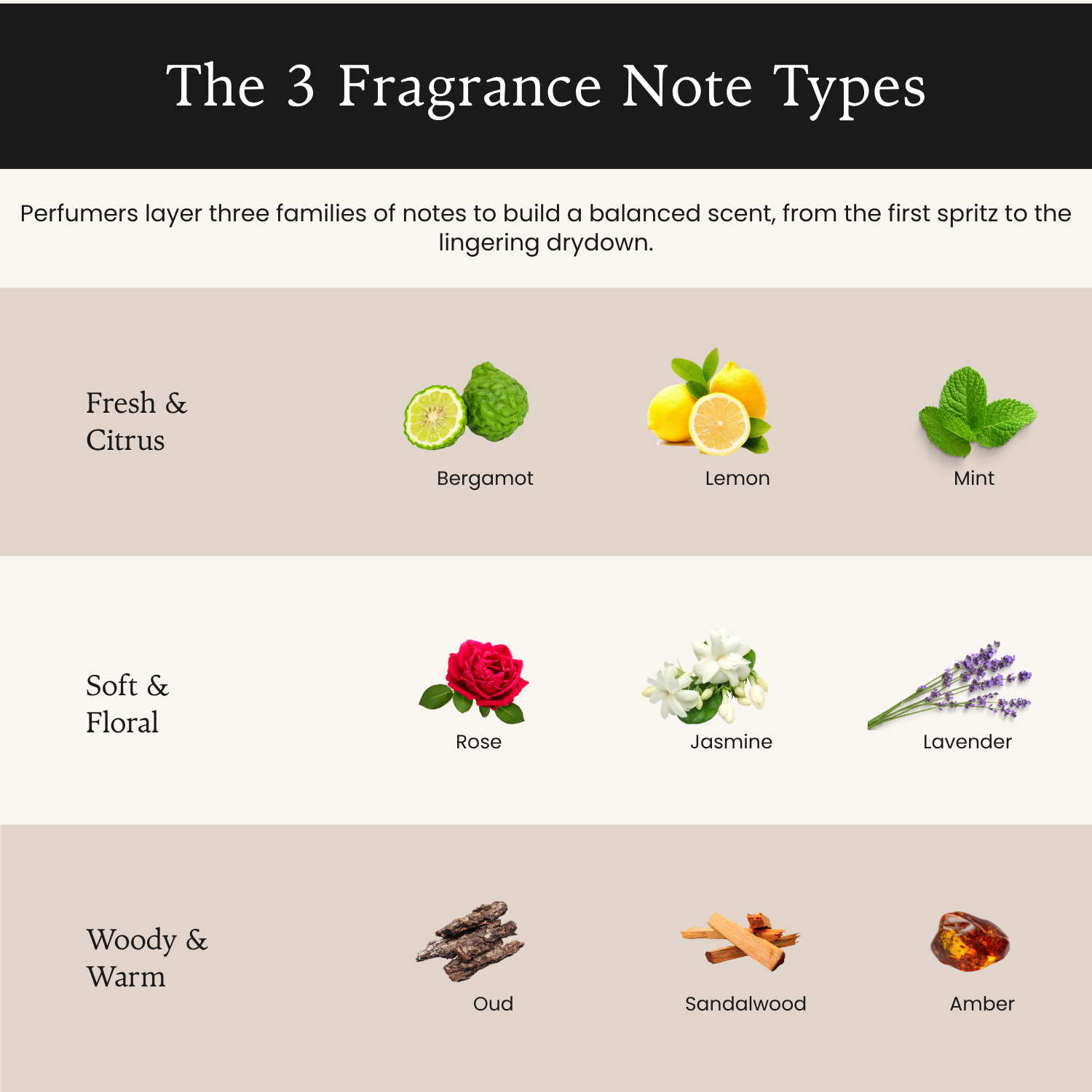
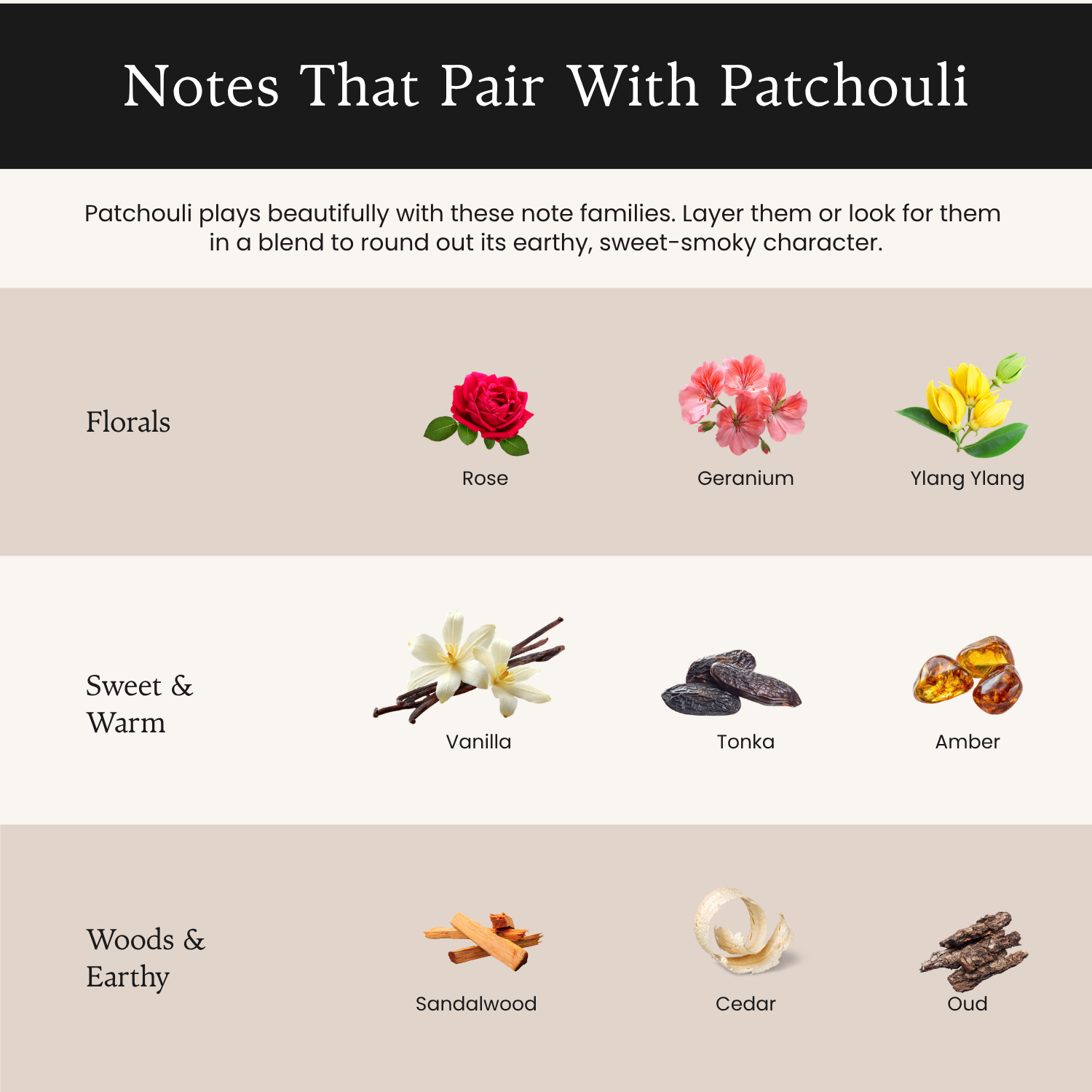
Patchouli is a team player. It rounds out and grounds sandalwood, vetiver, frankincense, myrrh and cedar in woody and oriental blends; it deepens chocolate, vanilla, coffee and caramel in gourmands (Angel being the obvious example); and it adds an earthy counterweight to bright florals like rose, jasmine and orange blossom so they feel richer and last longer.
Patchouli FAQ
Does patchouli smell like dirt or weed?
The traditional oil genuinely does have an earthy, “wet-soil” quality, and because patchouli oil was famously used in the 60s and 70s — partly to mask the smell of marijuana — the association stuck. But that damp, dirt-like facet mostly belongs to dark, aged patchouli. The modern fractionated version used in most designer fragrances smells clean and woody, not like dirt.
Is patchouli masculine or feminine?
Neither — it’s one of the most unisex notes in perfumery. It anchors masculine woody scents and feminine florals and gourmands equally well. Coco Mademoiselle and Angel lean feminine, Etro Patchouly and most woody-patchouli scents wear unisex, and plenty of men’s fougeres and chypres use it in the base. How “masculine” it reads depends entirely on what it’s paired with.
Why do some people hate patchouli?
Usually because their reference point is the cheap, overapplied head-shop oil, which can smell musty, mothball-like and overpowering — and because patchouli is so tenacious that a heavy hand lingers for hours. People who think they dislike it are often surprised by the clean, modern versions in scents like White Patchouli or Coco Mademoiselle, where the note is smooth and woody rather than dank.
How long does patchouli last on skin?
A very long time. Patchouli is one of the most long-lasting raw materials in perfumery — it can stay detectable on skin for 10 hours or more, and on clothing for days. That staying power is exactly why perfumers use it as a fixative to extend the life of more fleeting notes.
Ready to wear it? Start with our pick of the best patchouli perfumes to find the version — sweet, clean or earthy — that suits you.
Related reading

Selena Marc is a fragrance enthusiast, freelance writer, and dog mom living in Houston, Texas. When she's not writing about her favorite new perfumes, you can find her enjoying yoga or a morning hike.