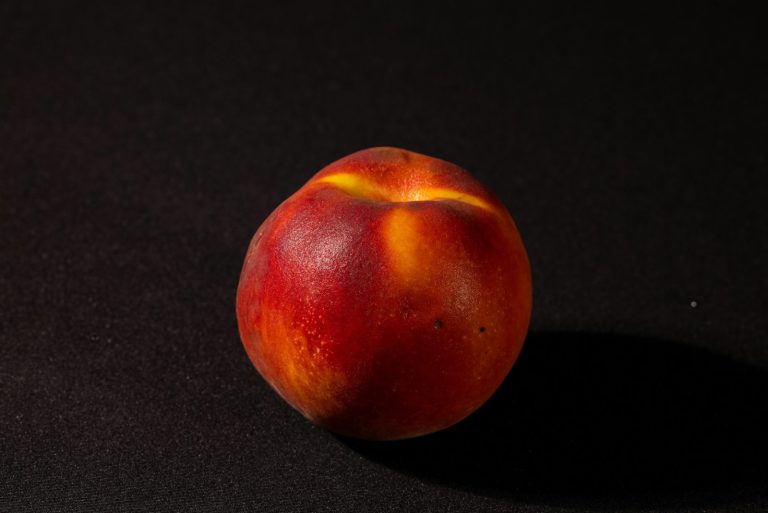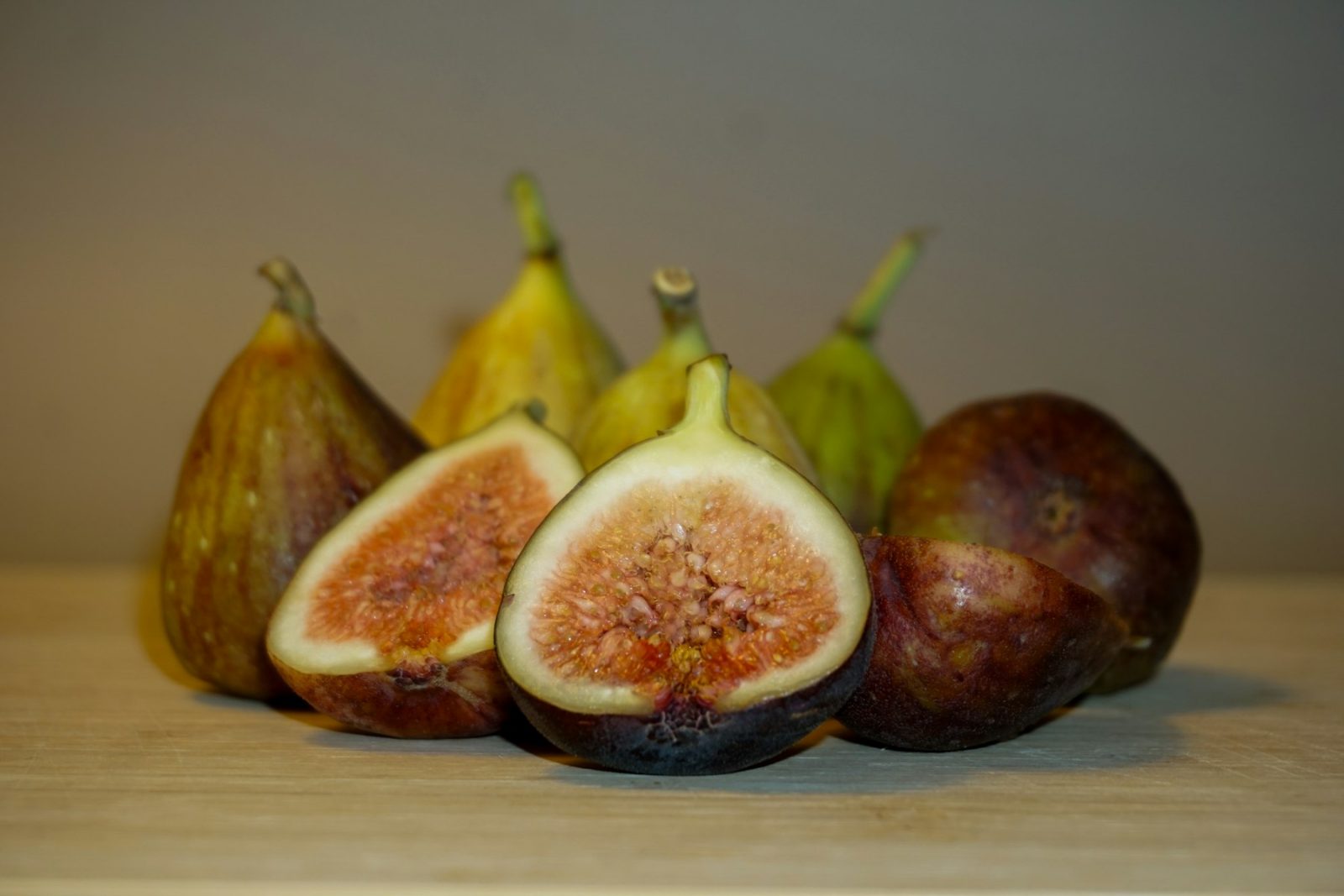
Ask what fig smells like and most people describe the fruit: sweet, jammy, purple, faintly honeyed. Reasonable — and almost entirely wrong about what you actually smell when you spray a fig fragrance, because the fruit is the smallest part of the picture and frequently isn’t in it at all.
Here is the fact the whole genre rests on, and almost nobody leads with it. There is no fig oil. No steam-distilled fig, no fig fruit absolute, nothing you can press from a ripe Ficus carica and put on a perfumer’s shelf. The one natural fig material that exists — an absolute extracted from the leaves — is rare, costly and hemmed in by phototoxicity rules that keep it out of most leave-on products. Every fig fragrance you have ever smelled was assembled from other things. It is a fiction, and a good one.
So: what the accord is built from, the three completely different smells the word “fig” can mean, why the note exploded in the mid-nineties, and why fig sits so oddly across the fruity fragrance family and the green one at once.
What Does Fig Smell Like?
Fig smells green, milky and sun-warm — a bitter, sappy, freshly snapped stem up front, a soft coconut-adjacent creaminess in the middle, a dry woodiness underneath. It reads less like eating a fig than like standing under the tree in August with a broken leaf in your hand.
Broken into facets:
- Green-sappy — crushed stem, bruised leaf, the white milk that beads on a picked fig. Sharp, bitter, unmistakably vegetal.
- Lactonic-milky — creamy, soft, faintly coconut. The facet that stops fig from being merely a green note.
- Fruity-jammy — the ripe flesh: sweet, red, a little honeyed. Present far less often than the marketing suggests.
- Woody-dry — sun-baked bark and warm wood, usually built with cedar. The floor the whole thing stands on.
- Nutty-earthy — a low, almond-adjacent dryness that arrives late and keeps the sweetness honest.
- Mineral-warm — hot stone, dust, the smell of heat itself. Impressionistic, but every good fig has it.
The proportions of the first three decide everything. Which makes the useful question not what does fig smell like but which fig.
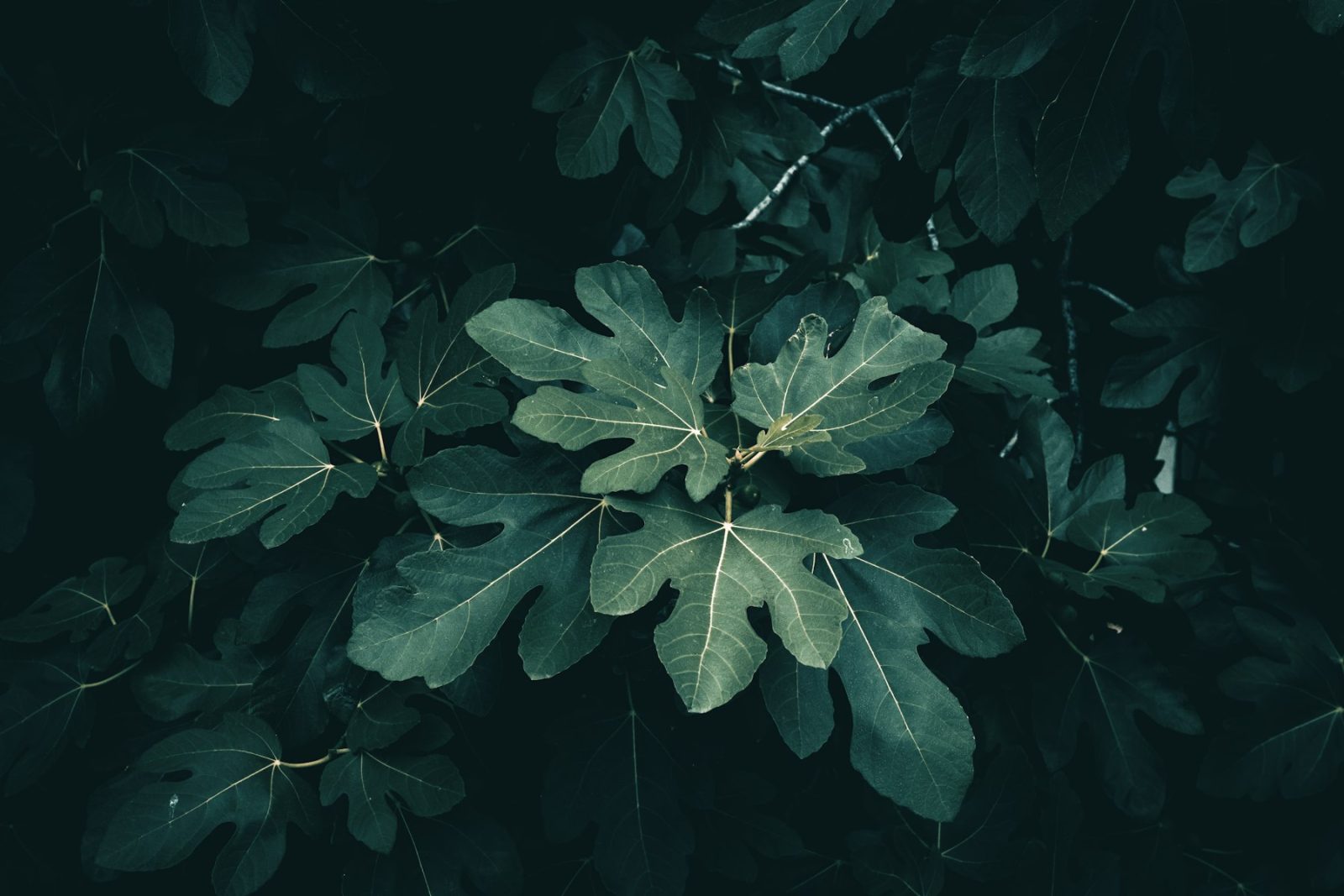
Three Figs: The Leaf, The Milk, The Flesh
A fig tree offers three separate raw impressions, and they smell nothing like each other. Most guides collapse them into one paragraph. They shouldn’t.
| Part of the tree | What it smells like | Built with | How often you meet it |
|---|---|---|---|
| The leaf | Bitter, green, papery, tomato-stem sharp, a little tobacco-ish when sun-dried | Stemone, cis-3-hexenol, violet leaf, galbanum | Constantly — the default fig |
| The milk (sap) | Creamy, faintly sour, lactonic, close to warm coconut milk | Gamma-lactones, coconut-type materials, sandalwood, musks | Very often, and it’s the facet people can’t name |
| The flesh | Sweet, jammy, seedy, red-honeyed | Damascones, fruity esters, dried-fruit accords | Rarely, and almost never alone |
The perfumer picks a ratio, and that ratio is the brief. Lean leaf and you get something austere, bitter and outdoor — closer to a green fragrance than a fruit. Lean milk and you get the soft, skin-like, faintly edible fig that has become the commercial default. Lean flesh and you get something jammy that most people don’t recognise as fig at all, which is the problem with the ripe-fruit approach.
An old principle sits underneath this: a convincing fruit note is rarely a portrait of the fruit, it’s a portrait of the plant the fruit came from. Fig is the clearest example we have.
How a Fig Accord Is Actually Built
With nothing to extract, the accord is engineered. Three parts, and once you know them you can hear them separating on a blotter.
Part one: the green. The fig leaf, doing the heavy lifting. Stemone (5-methyl-3-heptanone oxime, CAS 22457-23-4, a Givaudan oxime) is the material that made modern fig possible — hyper-green, leafy, with an explicit fig-leaf and tomato-stem character. It’s dosed in fractions of a percent. Around it sit cis-3-hexenol (CAS 928-96-1, “leaf alcohol,” the cut-grass molecule), violet leaf for a cool cucumber-ish bitterness, and often galbanum where a fiercer edge is wanted.
Part two: the milk. Gamma-lactones supply the creamy sap. Gamma-octalactone (CAS 104-50-7) is the usual choice — soft, coconut-milk creamy — sometimes reinforced with gamma-nonalactone or gamma-decalactone for a fatter effect. This is what turns a green accord into a fig accord, and precisely why fig and coconut keep bumping into each other.
Part three: the wood. Cedar, sandalwood, a touch of coumarin or benzoin for powdery depth, sometimes a fruity damascone to hint at the flesh without tipping into jam. The base that makes green and milk cohere rather than sit next to each other like two separate ideas.
Get the ratio wrong in the obvious direction — too much lactone, not enough green — and you don’t get fig. You get a slightly odd coconut. The green is what keeps it botanical.
Why Fig Smells More of Leaf and Milk Than Fruit
Two reasons, one chemical and one aesthetic.
The chemical one: ripe fig flesh has very little volatile character to begin with. It’s soft, sugary and mostly texture — much of what we experience as eating a fig is mouthfeel, not aroma. There isn’t a great deal there to reconstruct. The leaf and the sap, by contrast, are loud. Snap a branch and the smell arrives immediately.
The aesthetic reason is better. Jammy fruit reads sugary fast and dates a composition badly. Leaf-and-milk gives a perfumer something rarer: a fruit note that isn’t sweet. Green without being sharp, creamy without being gourmand, sitting in a gap between the fruity family and the green fragrances that nothing else quite occupies.
So when someone says a fig fragrance “doesn’t smell like figs,” they’re right and it doesn’t matter. It smells like a fig tree. That was the point.
Fig and Coconut Share a Molecule
Worth stating plainly, because it explains an experience a lot of people have and can’t account for: the milky part of a fig and the creamy part of a coconut are frequently the same class of material. Gamma-lactones do both jobs.
The difference is what’s stacked on top. Coconut pushes the lactone toward sweetness and vanilla; fig cuts it with bitter green and dry wood. Same engine, opposite bodywork. If a fig has ever struck you as unexpectedly beachy, or a coconut as unexpectedly green and sappy, the lactone dial is why. Our coconut note guide takes that chemistry apart from the other side.
1994 and 1996: The Two Years That Invented the Fig Note
Fig is not an ancient perfumery note. It is a nineties invention, datable with unusual precision.
Premier Figuier (L’Artisan Parfumeur, 1994) is generally credited as the first fragrance built around fig, composed by Olivia Giacobetti. Two years later Giacobetti did it again for Diptyque with Philosykos (1996) — the name from the Greek for a friend of the fig tree — this time rendering the whole tree rather than the fruit. Everfumed’s own green fragrances guide describes it as beginning “with the fresh, slightly bitter leaves, green nuances at the fore,” with fruit that is “honeyed, almost coconut-ish.” That’s the accord we’ve just dismantled, in one sentence.
Why did it land so hard? Because of what surrounded it. The early nineties belonged to aquatics and enormous white florals — clean, synthetic, loud. Against that, a translucent, bitter, milky, unsweetened scent of a tree was genuinely strange. It wasn’t feminine or masculine. It wasn’t a flower, a wood or a fruit in any recognised sense. It didn’t project across a room. It read as modern because it declined every convention on offer, arriving just as niche perfumery worked out that its advantage lay in being interesting rather than loud.
Three decades on, fig is thoroughly mainstream — candles, hotel lobbies, hand wash, body care — and one of the most reliably commercial notes in the business. A strange fate for an act of deliberate awkwardness.
The Mediterranean Sell
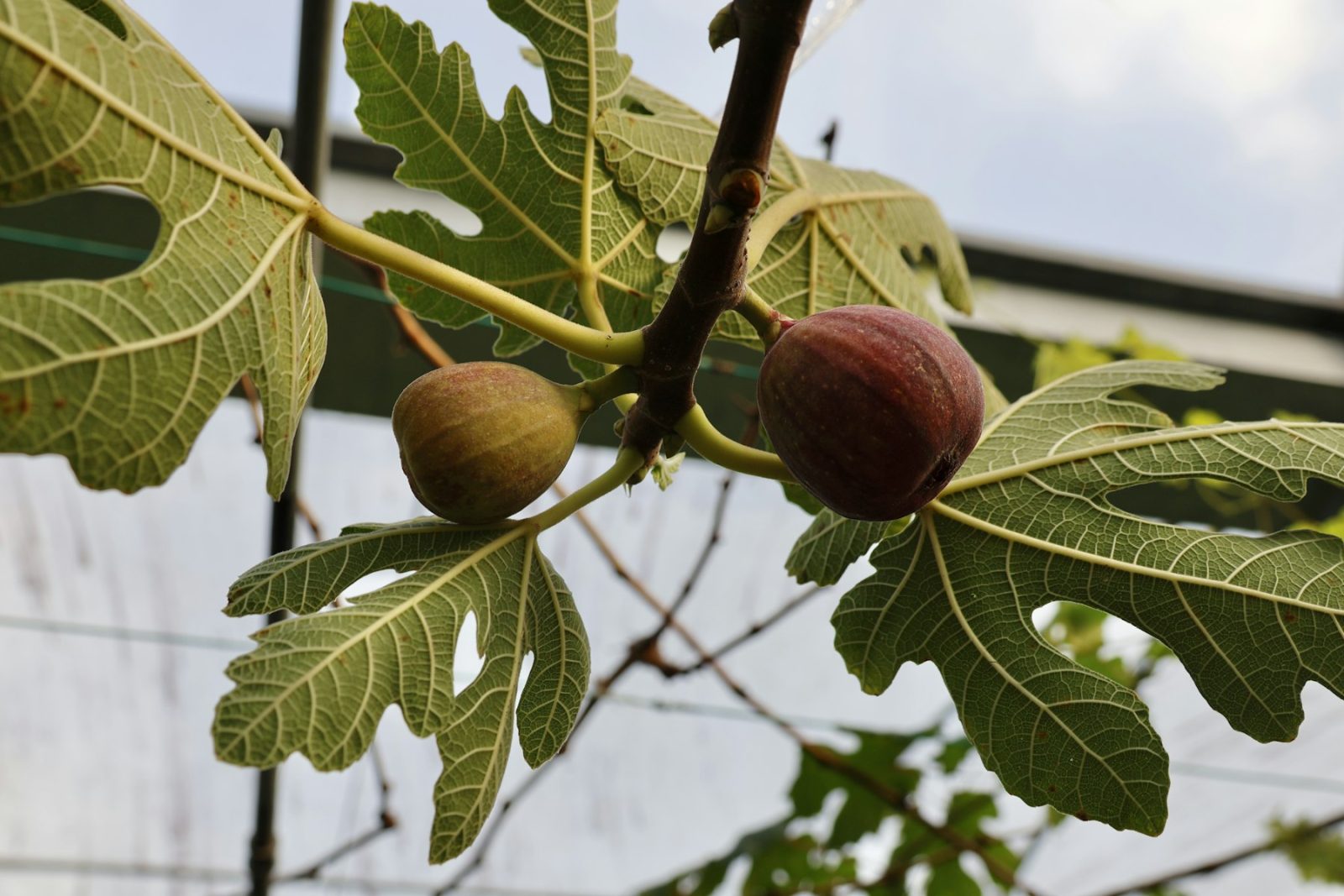
Now the part that deserves some honesty. Fig is sold, almost without exception, as a Mediterranean signifier: sun-warmed stone, whitewashed walls, Greek islands, the shade of a tree at noon. It recurs so consistently you can predict the adjectives before you read them.
Some of it is earned. Ficus carica really is a Mediterranean-basin plant, the tree really is woven into the region’s landscape, and heat really does change how the leaf smells. The mineral-warm facet isn’t invented.
But name what the story is doing. Fig has no terroir argument available to it — there is no fig-growing region whose extract is prized, because there is no extract. The accord is an oxime made in a laboratory, a green alcohol, a lactone and some cedar, and it can be built identically anywhere on earth. The Mediterranean framing does the work that “Grasse jasmine” or “Provençal lavender” does for other notes, with none of the agricultural substance underneath. That doesn’t make fig fragrances worse — reconstruction is a legitimate craft and this accord is one of the finest pieces of pure invention in the modern palette. It just means the postcard is marketing, not provenance.
Where Fig Sits in the Families
Fig is filed under fruity, which is defensible but incomplete. It runs on green-family materials and stands on a woody family base, because without cedar or sandalwood the accord has nowhere to sit. The most accurate placement is the one our fruity fragrance family guide gives it: a green-fruity oddity. Fruity by category, green by mechanism, woody by foundation, lactonic enough to flirt with the creamy-tropical corner without committing. Four families, one note — which is why it has been so useful for thirty years. The fragrance vocabulary decodes any of those terms.
What Pairs Well With Fig
- Cedar and sandalwood — the structural base. Fig without wood underneath drifts.
- Coconut and other lactones — amplifies the milk. The most-used move in commercial fig.
- Violet leaf and galbanum — doubles the green. Pushes fig cold and austere.
- Blackcurrant bud — shares the sulphurous-green edge; sharper, more animal.
- Iris and orris — powdery and cool; turns the fig milk closer to skin.
- Coumarin, tonka and benzoin — hay-like depth. The route to a soft, edible fig.
- Citrus and neroli — lifts the top, reinforces the Mediterranean reading.
- Almond and pistachio — leans into the nutty facet; the modern gourmand fig.
- Salt and mineral accords — the coastal treatment, and the one that has aged best.
Where to Smell It Next
Understanding a note is one job; finding it on skin is another, and we keep the two apart. Our roundup of the 10 best fruity perfumes for women picks up where this guide stops, and our best fruity colognes for men covers the same ground from the other side of the counter. Read this page to understand the accord; read those to find it. The fruity fragrance family hub maps the wider category, and the fragrance notes library holds the neighbours.
Final Thoughts
Fig is the best argument in perfumery against the idea that natural means real. There is nothing to extract, so there is nothing authentic to be faithful to — and yet the accord is one of the most recognisable things a modern perfumer can build. Everyone knows a fig fragrance when they smell one. Nobody has ever smelled fig.
Take away the vocabulary, because it changes what you notice. Green, milky, sappy, bitter, sun-warm, dry-woody — six words that describe a fig far better than “fruity” does. Separate the leaf from the milk from the flesh and you’ll hear which one a perfumer chose within a minute of spraying.
And when a bottle promises you a Greek island, admire the picture. Then notice the cedar.
Fig FAQs
What does fig smell like in perfume? Green, milky and sun-warm — bitter sappy leaf up front, a creamy coconut-adjacent softness in the middle, dry wood underneath. It smells more like a fig tree than like eating a fig, and it’s usually less sweet than people expect.
Is there such a thing as fig essential oil? No. There is no fig fruit oil or absolute of any kind. A fig leaf absolute exists but is rare, costly and restricted for leave-on use because of phototoxic furanocoumarins, so effectively every fig fragrance on the market is a reconstruction.
What is fig made of in perfumery? Three parts: green leaf materials (Stemone, cis-3-hexenol, violet leaf, galbanum), lactones for the milky sap (gamma-octalactone and relatives), and a woody base of cedar or sandalwood, often with a fruity damascone to suggest the flesh.
Why does fig smell like coconut? Because both use gamma-lactones for their creamy character. Fig cuts the lactone with bitter green and dry wood; coconut pushes it toward sweetness and vanilla. Same molecular family, opposite treatment.
What’s the difference between fig and fig leaf as notes? Fig leaf is the sharp, bitter, papery green facet; fig usually means leaf plus milky sap plus a suggestion of fruit. Note lists often print both, and the leaf materials dominate either way.
Is fig masculine or feminine? Neither, and it never has been. Fig arrived in the mid-nineties as a deliberately unisex note and has stayed that way.
Which fragrances made fig famous? L’Artisan Parfumeur’s Premier Figuier (1994) is generally credited as the first fig-centred fragrance, followed by Diptyque’s Philosykos (1996), both composed by Olivia Giacobetti. Between them they set the leaf-milk-wood template still in use.
Does fig last long on skin? Moderately. The green top materials burn off within the first hour; what persists is the lactonic milk and the woody base, typically four to six hours. A fig that lasts all day is being held up by cedar, musk or sandalwood, not by the fig accord.
Related on Everfumed
- Fruity Fragrance Family: Notes, Scent Profile & History
- 10 Best Deliciously Fruity Perfumes for Women
- Sweetly Masculine: Best Fruity Colognes for Men
- 26 Best Green Fragrances
- What Does Coconut Smell Like?
- Woody Fragrance Family
- Fragrance Vocabulary: Dictionary to Perfumes
- All Fragrance Notes

Selena Marc is a fragrance enthusiast, freelance writer, and dog mom living in Houston, Texas. When she's not writing about her favorite new perfumes, you can find her enjoying yoga or a morning hike.